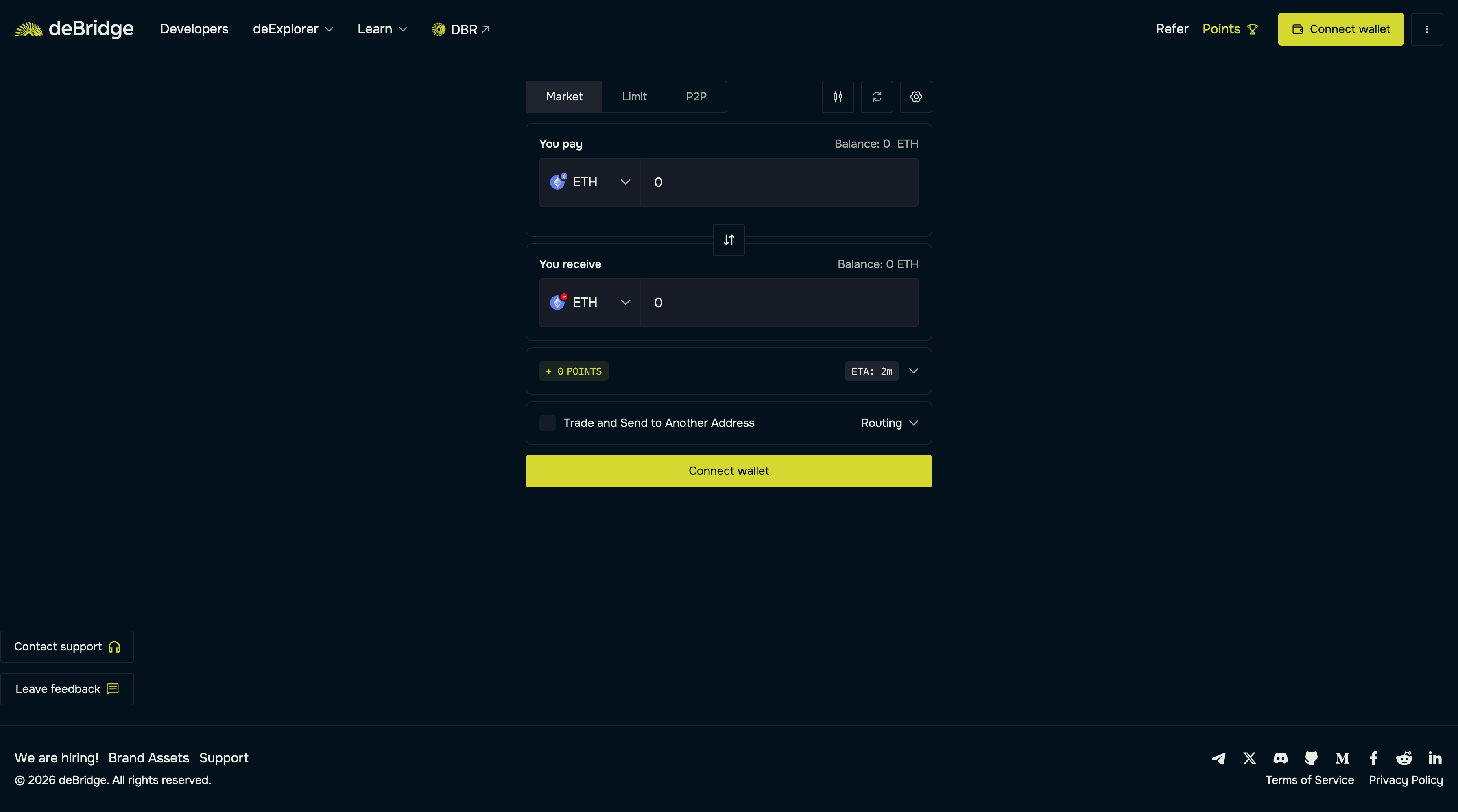
In the rapidly advancing world of blockchain technology, interoperability has emerged as one of the most pressing challenges. With the explosion of diverse blockchain networks, the ability to seamlessly transfer assets and data across different chains is more crucial than ever. DeBridge is at the forefront of addressing this challenge, offering a decentralized and user-friendly solution for cross-chain interoperability. By enabling efficient asset transfers and smart contract interactions across various blockchains, DeBridge aims to create a more connected and efficient decentralized ecosystem. This article explores DeBridge in depth, covering its vision, core features, technology, governance, use cases, challenges, and the potential impact it may have on the blockchain landscape.
Overview
DeBridge is a cross-chain interoperability protocol designed to facilitate seamless communication and asset transfers between different blockchain networks. By building a bridge that allows for both asset and data transfers, DeBridge aims to eliminate the silos of blockchain ecosystems and create a unified decentralized infrastructure.
Core Mission
The primary mission of DeBridge is to enhance the usability and functionality of decentralized applications (dApps) by providing them with the tools necessary for cross-chain interactions. Key objectives include:
1.Seamless Interoperability: Offering a streamlined solution for transferring assets and data between blockchains.
2.Support for Diverse Networks: Enabling interaction across multiple blockchain environments, regardless of their underlying technology.
3.Ecosystem Growth: Empowering developers and users to leverage the full potential of decentralized finance (DeFi) and other blockchain applications.
1. Cross-Chain Asset Transfers
One of DeBridge's primary features is its ability to facilitate cross-chain asset transfers. This capability allows users to move tokens between different blockchain networks efficiently.
Multi-Asset Support: Users can transfer a wide range of assets, including cryptocurrencies and tokens from various networks, enhancing versatility.
Low Fees: DeBridge offers competitive fees for asset transfers, making it a cost-effective solution for users.
2. Decentralized Infrastructure
DeBridge is built as a decentralized protocol, ensuring users have control over their assets and interactions.
Trustless Transactions: By utilizing smart contracts on multiple blockchains, DeBridge guarantees that transactions occur without the need for intermediaries, reducing risks associated with centralized services.
Decentralization: The platform’s architecture minimizes single points of failure, enhancing security and reliability.
3. Flexible Smart Contract Interactions
DeBridge supports seamless cross-chain interactions for smart contracts, allowing developers to create more versatile dApps.
Interoperable dApps: Developers can design dApps that operate across multiple chains, broadening their reach and functionality.
Enhanced Functionality: By enabling smart contracts to call each other across chains, DeBridge enhances the capabilities of decentralized applications.
4. User-Friendly Interface
DeBridge emphasizes a user-friendly experience, making cross-chain transactions accessible to both novice and advanced users.
Simple Navigation: The platform features an intuitive interface that simplifies the process of initiating cross-chain transactions and interacting with dApps.
Comprehensive Tutorials: DeBridge provides educational resources to help users understand cross-chain functionality and usage.
5. Ecosystem Partnerships
DeBridge actively pursues partnerships with various blockchain networks and projects to expand its interoperability capabilities.
Collaborative Approach: By collaborating with other blockchain projects, DeBridge enhances its capabilities, offering a wider array of services and functionalities.
Community Engagement: Partnerships foster a collaborative environment that encourages development and innovation across different blockchain ecosystems.
1. Blockchain Architecture
DeBridge utilizes a modular blockchain architecture that supports multiple networks, allowing seamless connectivity across diverse ecosystems.
Interoperability Protocol: The underlying protocol facilitates real-time communication and data transfer between different blockchains, ensuring smooth interactions.
Adaptive Design: The architecture is designed to accommodate evolving blockchain technologies, ensuring long-term viability.
2. Smart Contracts
Smart contracts are fundamental to the functionality of DeBridge, enabling automated and secure transactions.
Cross-Chain Smart Contracts: DeBridge employs smart contracts that can communicate across chains, allowing for complex operations and interactions.
Automation: The use of smart contracts minimizes human intervention in transactions, enhancing security and efficiency.
3. Security Mechanisms
DeBridge implements robust security measures to safeguard user funds and ensure transaction integrity.
Multi-Signature Wallets: To enhance security, DeBridge utilizes multi-signature wallets for transaction approvals, requiring multiple parties to authorize asset transfers.
Regular Audits: The protocol undergoes continuous audits to identify and mitigate vulnerabilities, ensuring the safety of users’ assets.
1. Decentralized Governance
DeBridge employs a decentralized governance model that empowers token holders to participate in decision-making processes.
Key Features:
Voting Rights: Holders of DeBridge’s native tokens have the right to vote on proposals affecting the protocol, including upgrades, partnerships, and governance mechanisms.
Community Proposals: Users can submit proposals for improvements or new features, fostering a collaborative approach to governance.
2. Transparency
The governance model is designed to promote transparency, allowing users to track decisions and understand the rationale behind changes.
1. Cross-Chain DeFi Applications
DeBridge is particularly beneficial for decentralized finance (DeFi) applications that require interoperability between different networks.
Liquidity Pools: Liquidity providers can move assets between chains to take advantage of different liquidity pools and yield farming opportunities.
Arbitrage Opportunities: Users can exploit price discrepancies between different markets by swiftly moving assets across chains.
2. NFT Markets
DeBridge can facilitate cross-chain transactions for non-fungible tokens (NFTs), enhancing the accessibility and versatility of digital assets.
Marketplace Integration: NFT projects can leverage DeBridge to allow users to trade NFTs across multiple blockchains, increasing market accessibility.
Interoperable NFTs: Creators can design NFTs that exist on multiple chains, broadening their reach and potential audience.
3. Community Engagement
By enabling cross-chain interactions, DeBridge encourages user participation and community engagement within the blockchain ecosystem.
Task-Based Incentives: Users can participate in task-based reward systems that require cross-chain interactions, fostering community involvement and activity.
Event Participation: Projects can conduct events or competitions that span multiple chains, promoting user engagement.
4. Data Transfer and Integration
DeBridge enables the transfer of data between different blockchains, enhancing interoperability and data accessibility.
Decentralized Identity Solutions: Users can leverage cross-chain data for identity verification and authentication across various platforms.
Enhanced Data Utilization: Projects can access data from multiple blockchains, enriching their applications and services.
5. Multi-Chain Wallets
DeBridge can integrate with multi-chain wallets, enabling users to manage assets across different networks from a single interface.
Unified Asset Management: Users can easily transfer and manage their assets across multiple blockchains without switching wallets or interfaces.
Enhanced User Experience: Multi-chain wallets simplify the user experience, making it easier for users to engage with diverse blockchain ecosystems.
1. Enhanced Interoperability
DeBridge addresses the critical challenge of interoperability, enabling seamless interactions between disparate blockchain networks.
2. User Empowerment
By facilitating cross-chain transactions, DeBridge empowers users to utilize their assets more effectively across various platforms.
3. Developer Flexibility
Developers can create more versatile dApps that operate seamlessly across chains, expanding their reach and improving functionality.
4. Community-Driven Governance
The decentralized governance model fosters community participation, ensuring that the platform evolves according to users' needs and preferences.
5. Robust Security
Through multi-signature wallets and regular audits, DeBridge prioritizes security, providing users with peace of mind when conducting transactions.
1. Market Competition
As cross-chain interoperability becomes increasingly important, DeBridge faces competition from other projects vying for the same market share. Continuous innovation and differentiation will be vital.
2. Regulatory Environment
Navigating the complex regulatory landscape surrounding cryptocurrencies and blockchain technology will be essential for DeBridge’s ongoing operations.
3. Technical Challenges
Ensuring seamless connectivity and security across various chains presents significant technical challenges that require ongoing development and maintenance.
4. User Education
Given the complexities of cross-chain functionality, educating users on how to effectively utilize DeBridge will be crucial for its widespread adoption.
5. Maintaining Network Security
As DeBridge expands and connects to various networks, ensuring the security and integrity of transactions across different chains will remain a priority.
1. Expanding Cross-Chain Compatibility
DeBridge aims to continually expand its compatibility with more blockchain networks, enhancing the diversity of assets and functionalities available to users.
2. Continued Development of Features
Ongoing development efforts will focus on enhancing the platform’s features, user experience, and security measures, ensuring that DeBridge remains relevant and competitive.
3. Fostering Strategic Partnerships
By forming strategic partnerships with other blockchain projects and protocols, DeBridge can amplify its impact and offer enhanced services.
4. Community Engagement Initiatives
DeBridge will focus on strengthening community engagement through events, competitions, and educational initiatives, fostering a vibrant ecosystem around its platform.
5. Navigating Regulatory Landscapes
Proactively addressing regulatory concerns will be crucial for DeBridge’s long-term success, allowing it to operate sustainably in various jurisdictions.
DeBridge stands out as a vital player in the quest for cross-chain interoperability within the blockchain ecosystem. By facilitating seamless asset transfers and interactions across different networks, DeBridge is breaking down the silos that currently exist in the blockchain world.
Its commitment to decentralization, user empowerment, robust security, and community-driven governance positions DeBridge as a forward-thinking solution for the challenges of interoperability. As the blockchain landscape continues to evolve, DeBridge has the potential to significantly enhance the usability and functionality of decentralized applications and create a more connected, efficient, and user-friendly decentralized infrastructure.
With its innovative approach and unwavering mission, DeBridge is not just addressing the present challenges of cross-chain interactions; it is actively shaping the future of blockchain interoperability, making it a crucial protocol in the rapidly advancing world of decentralized finance and beyond. As users and developers alike seek greater flexibility and functionality, DeBridge is poised to play an essential role in realizing the full potential of the blockchain revolution.

Mobirise.com